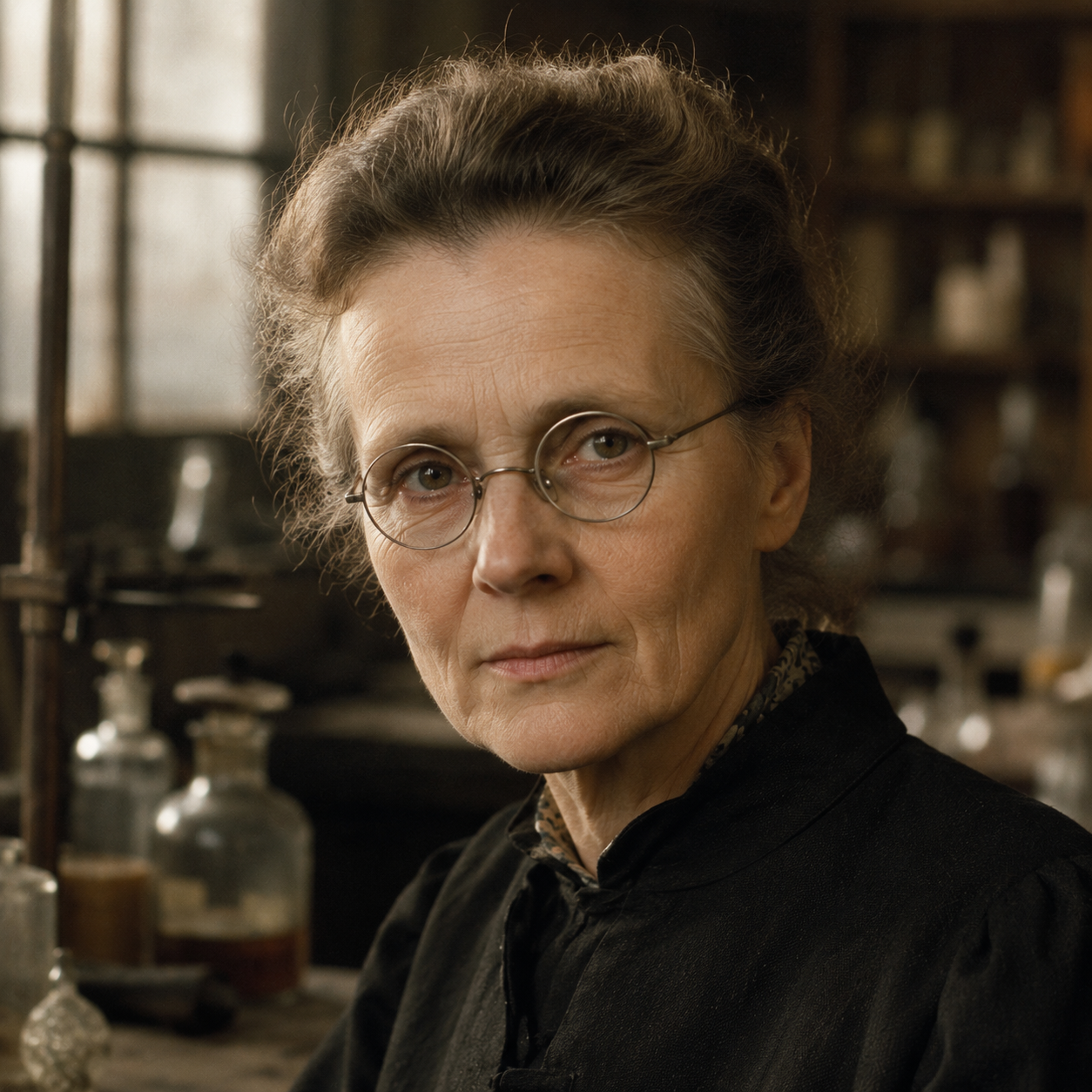
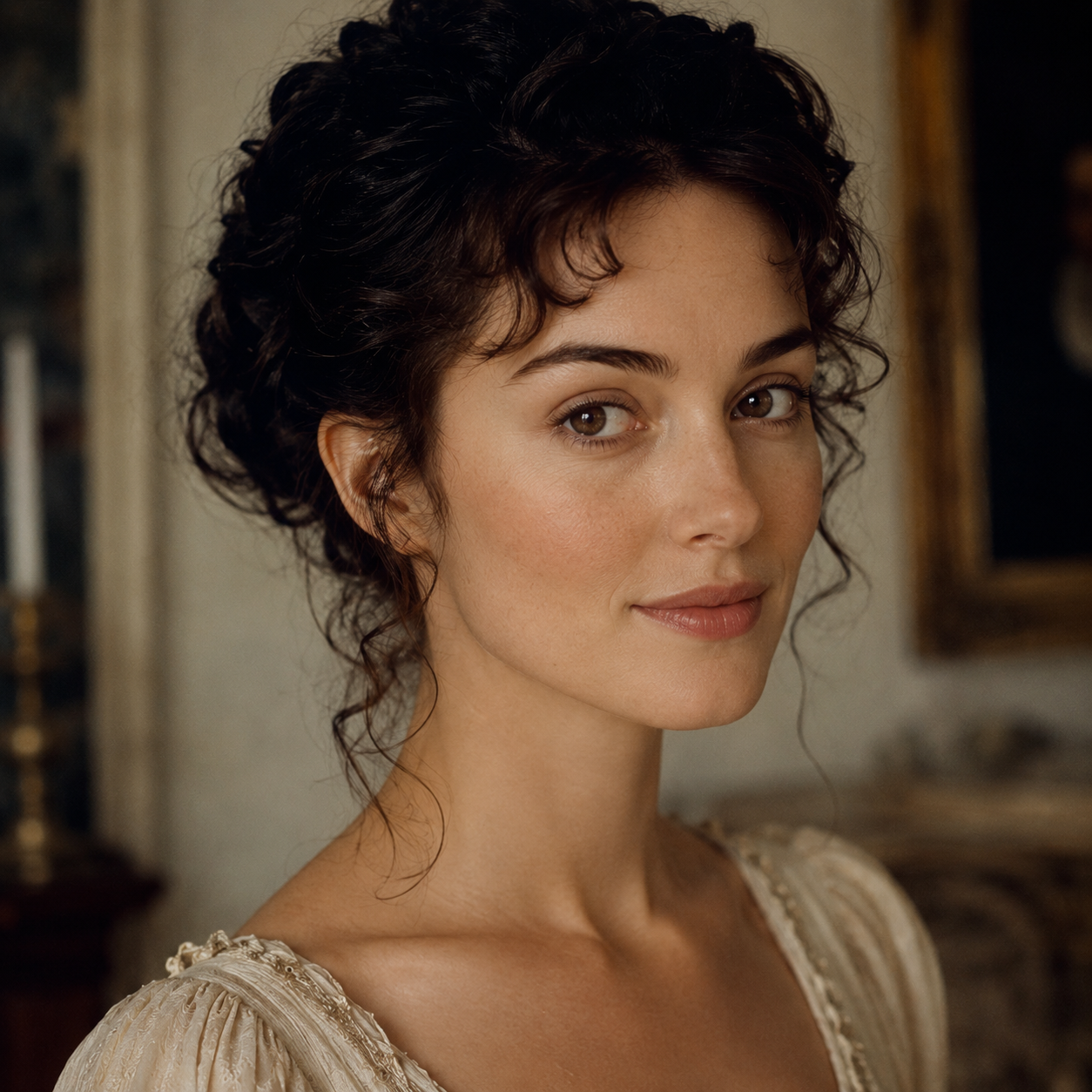
Heroine · Wit · Longbourn, 1813
Created 1813 · Jane Austen · Pride and Prejudice
"I could easily forgive his pride, if he had not mortified mine."
She is the most beloved heroine in the English language. Sharp, funny, fiercely independent, and entirely unimpressed by wealth or rank alone. She chose love over security at a time when that choice could ruin a woman. Talk to her about what that cost — and what she gained.
How It Works
First 3 minutes free. Minutes 4 through 6 cost $2.99 total. After that, just $1.00 per minute.
🐾 every paid call triggers at minimum a meal donation for a rescue dog
Elizabeth Bennet · Longbourn, Hertfordshire
There is a stubbornness about me that never can bear to be frightened at the will of others. My courage always rises at every attempt to intimidate me.
— Elizabeth Bennet, Pride and Prejudice, Jane Austen, 1813
What to Ask
To jog your imagination, here are 6 conversation starters. But you are encouraged to ask absolutely anything you want including questions or unsolved mysteries of our present age. Your time with Elizabeth Bennet is your own!
"What did you actually think of Darcy when you first met him?"
Before the letter. Before Pemberley. What she thought in that first room, and whether she'll admit it.
"Was refusing Collins the hardest thing you ever did?"
He was her family's financial salvation. She said no anyway. Ask her what that moment felt like.
"What do you make of women today?"
She fought for independence in a world that gave women almost none. She has opinions about 2026.
"Was your mother really as impossible as she seemed?"
Mrs. Bennet is one of literature's great comic embarrassments. But she was also trying to protect her daughters. Elizabeth knows this.
"Did you ever doubt your judgment — about Wickham, about Darcy?"
She was badly wrong about both men before she was right. She is honest enough to say so.
"What advice would you give a woman choosing between security and love?"
She lived that choice. Her answer is not simple, and she will not pretend it is.
Jane Austen called Elizabeth Bennet her favorite character — "as delightful a creature as ever appeared in print." Two centuries of readers have agreed. Elizabeth is not simply charming. She is a woman who thinks, argues, makes mistakes, and refuses to be diminished by a world that has very little use for thinking women.
The England of 1813 offered women of Elizabeth's class a narrow set of choices. Marry well or face genteel poverty. Defer to fathers, brothers, husbands. Accept the limits of your situation with grace. Elizabeth does none of these things gracefully. She laughs at pomposity. She argues with men who expect agreement. She turns down two marriage proposals — one from a man who would have saved her family, one from the man she will eventually love — because the terms are wrong.
Her misjudgment of Wickham and Darcy is the engine of the novel and the thing that makes her human. She is perceptive about everyone except the men she has decided to feel strongly about. When Darcy's letter forces her to see clearly, she does not flinch from what it reveals about herself. That willingness to be wrong, and to admit it, is rarer than wit.
Austen based Elizabeth partly on herself — the second daughter, the sharp one, the one who never quite fit the mold expected of her. Austen never married. Elizabeth did, on her own terms, to a man who had to become worthy of her. That is the wish Austen gave her character that life did not give herself.
No script. No recordings. A live AI voice trained on Pride and Prejudice and Austen's letters — speaking only to you, only now.
Start Your Free Call →🐾 every paid call triggers at minimum a meal donation for a rescue dog