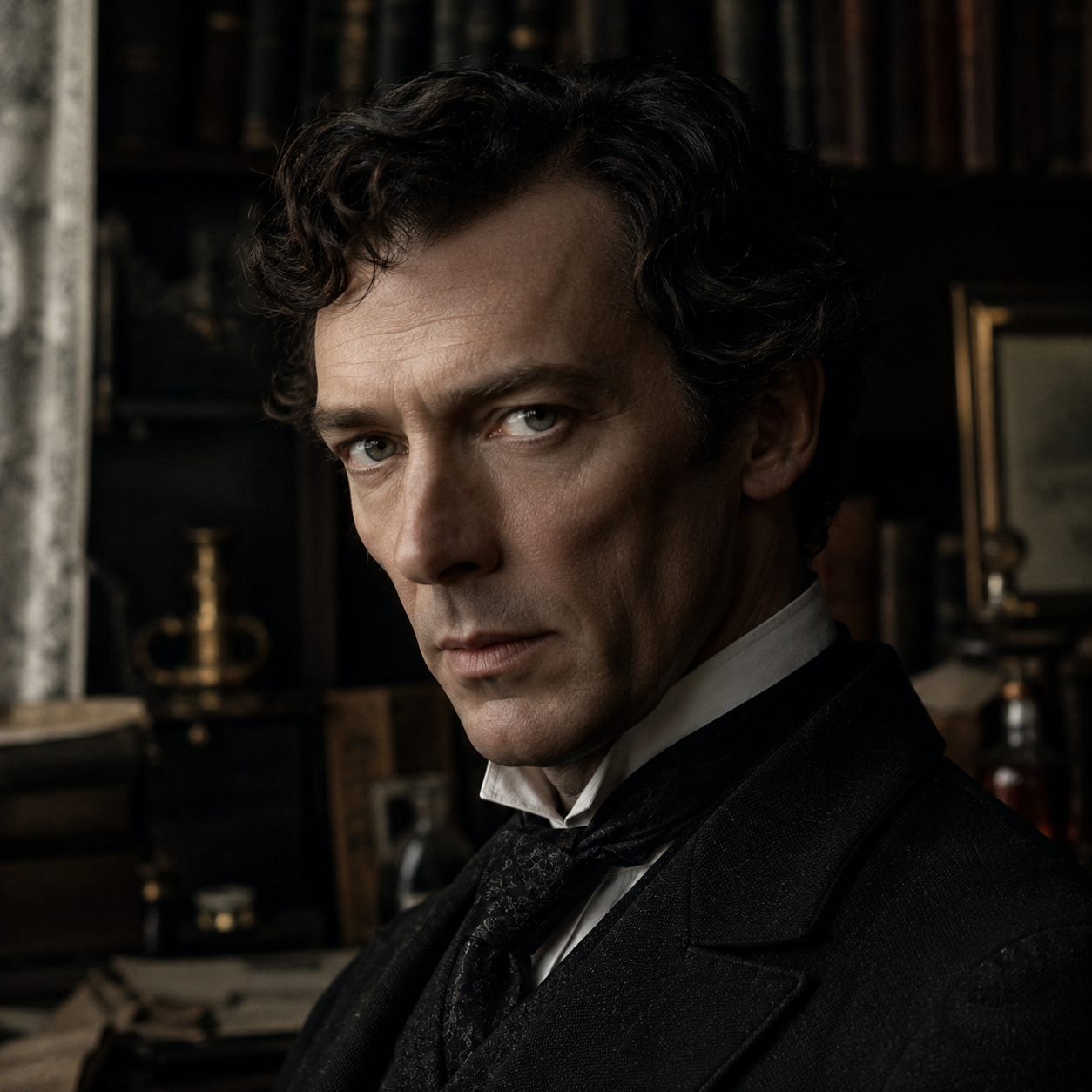
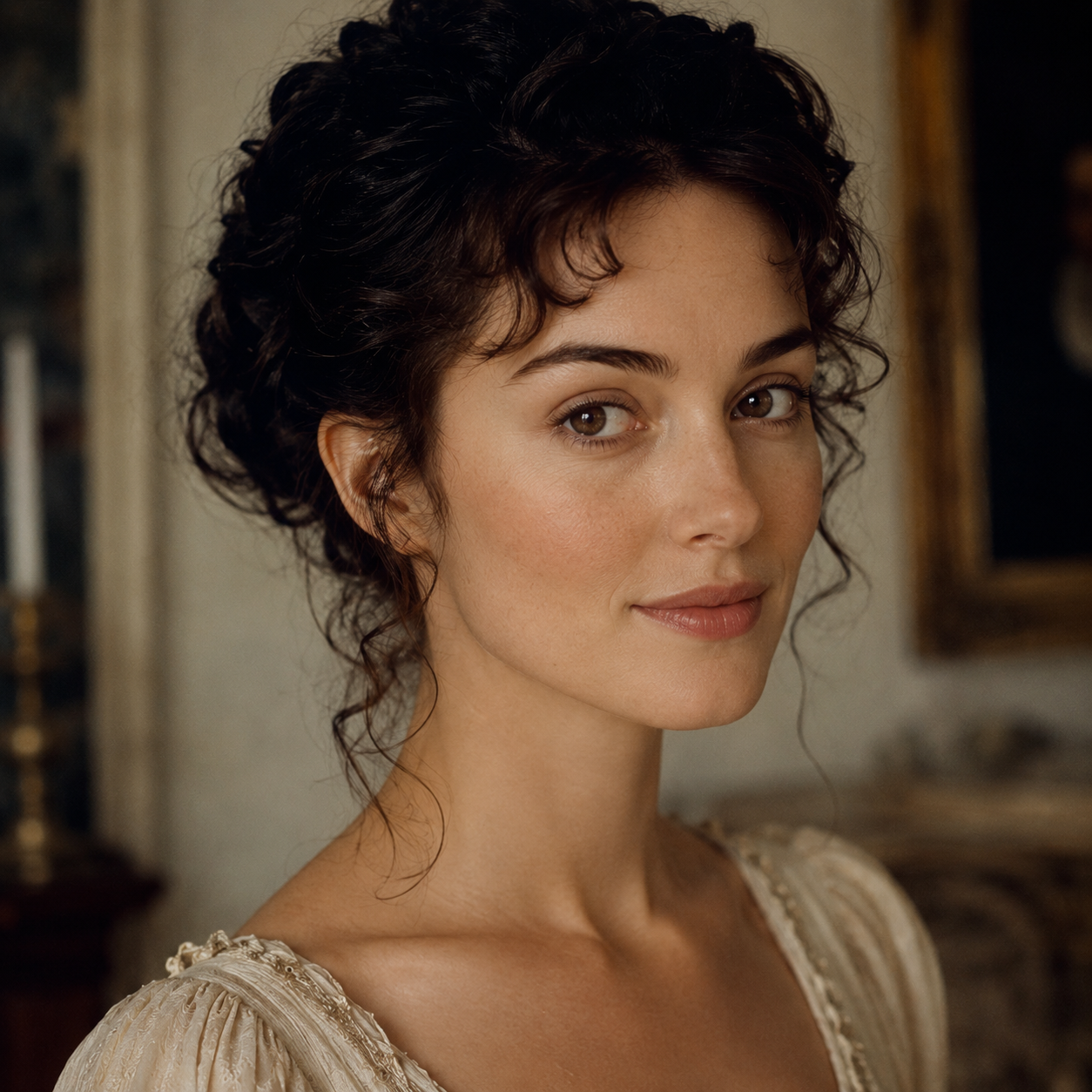
Physicist · Chemist · 1867–1934
Born Warsaw, Poland · Died Passy, France · Two Nobel Prizes
"Nothing in life is to be feared. It is only to be understood."
She was the first woman to win a Nobel Prize. Then she won a second one, in a different science. She did this while being denied membership in the French Academy of Sciences because she was a woman. Her notebooks are still too radioactive to handle without protection. Talk to the woman behind the legend.
How It Works
First 3 minutes free. Minutes 4 through 6 cost $2.99 total. After that, just $1.00 per minute.
🐾 every paid call triggers at minimum a meal donation for a rescue dog
Marie Curie · c. 1903
I was taught that the way of progress is neither swift nor easy. But I never stopped believing it was possible.
— Marie Curie
What to Ask
To jog your imagination, here are 6 conversation starters. But you are encouraged to ask absolutely anything you want including questions or unsolved mysteries of our present age. Your time with Marie Curie is your own!
"What was it like to discover polonium and radium in the same year?"
She named polonium after her occupied homeland. She did it working in a leaking shed in Paris in winter.
"How did you survive the scandal after Pierre died?"
The French press called her a home-wrecker and a foreign spy. She was about to collect her second Nobel Prize. She went anyway.
"Did you know the radiation was killing you?"
She carried test tubes of radioactive isotopes in her coat pockets. She knew there was risk. Ask her how she thought about it.
"What do you make of how science treats women today?"
Progress has been made. She will have precise views on how much, and how much remains.
"Tell me about Pierre."
They were scientific partners and deeply in love. His death in a street accident in 1906 broke something in her that never fully healed.
"What kept you going when the Academy refused to admit you?"
She was rejected by a vote of one. She had already won the Nobel. She went back to the laboratory the next morning.
Maria Sklodowska was born in Warsaw under Russian occupation, in a country that did not officially exist. Women were not permitted to attend university in Poland. She and her sister made a pact: one would work to support the other through university, then they would switch. Maria worked as a governess for years, sending money home. Then she went to Paris, enrolled at the Sorbonne, and finished first in her physics degree.
She met Pierre Curie when she needed a laboratory. He was already a distinguished physicist. He offered her space to work. They married in 1895 and became the most productive scientific partnership of the age. They worked in a converted shed with a leaking roof, processing tons of pitchblende by hand, in conditions that would today require full hazmat protocols. They discovered polonium and radium in 1898. They shared the Nobel Prize in Physics in 1903.
Pierre was killed by a horse-drawn cart in 1906. Marie took over his professorship at the Sorbonne — the first woman to hold a chair there — and continued working. When her relationship with physicist Paul Langevin became public in 1911, the French press denounced her as a foreign Jew and a homewrecker. She was neither. She was in Stockholm collecting her second Nobel Prize. She remains the only person to win Nobel Prizes in two different sciences.
She died in 1934 of aplastic anaemia caused by decades of radiation exposure. Her personal notebooks, her cookbooks, her furniture — all remain radioactive. They are stored in lead-lined boxes at the Bibliothèque nationale de France. Researchers who wish to view them must sign a waiver and wear protective clothing.
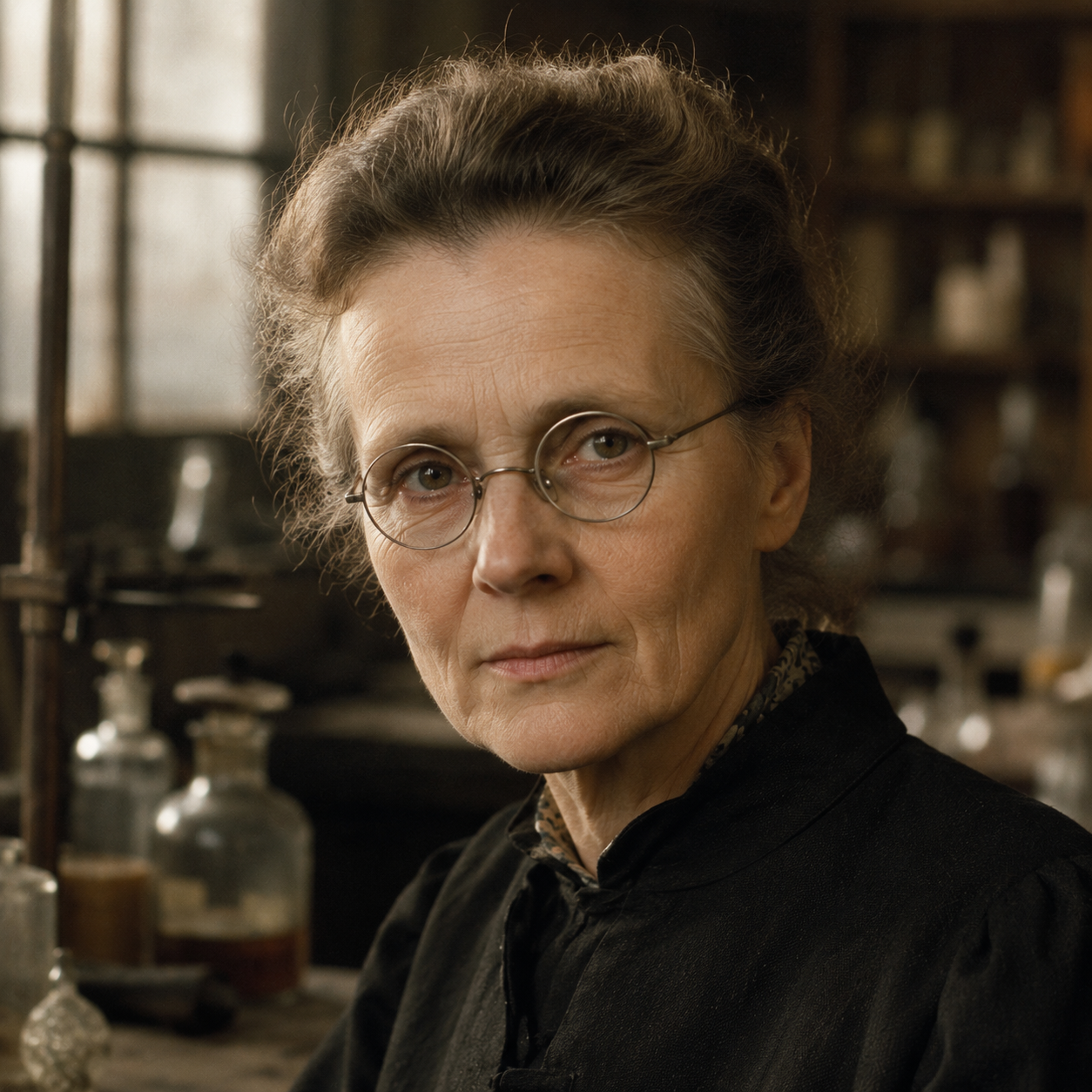
No script. No recordings. A live AI voice trained on Curie's papers, letters, and biographical accounts — speaking only to you, only now.
Start Your Free Call →🐾 every paid call triggers at minimum a meal donation for a rescue dog