Philosopher · Martial Artist · Filmmaker · 1940–1973

Bruce
Lee

Born Hong Kong · Los Angeles, California

"Be like water making its way through cracks. Be water, my friend."

Hong Kong · Los Angeles, 1973. Philosopher, artist, revolutionary. He did not just change martial arts — he changed what it means to master anything. The man who built Jeet Kune Do from scratch and never stopped asking why.

How It Works

First 3 minutes free. Minutes 4 through 6 cost $2.99 total. After that, just $1.00 per minute.

🐾 every paid call triggers at minimum a meal donation for a rescue dog

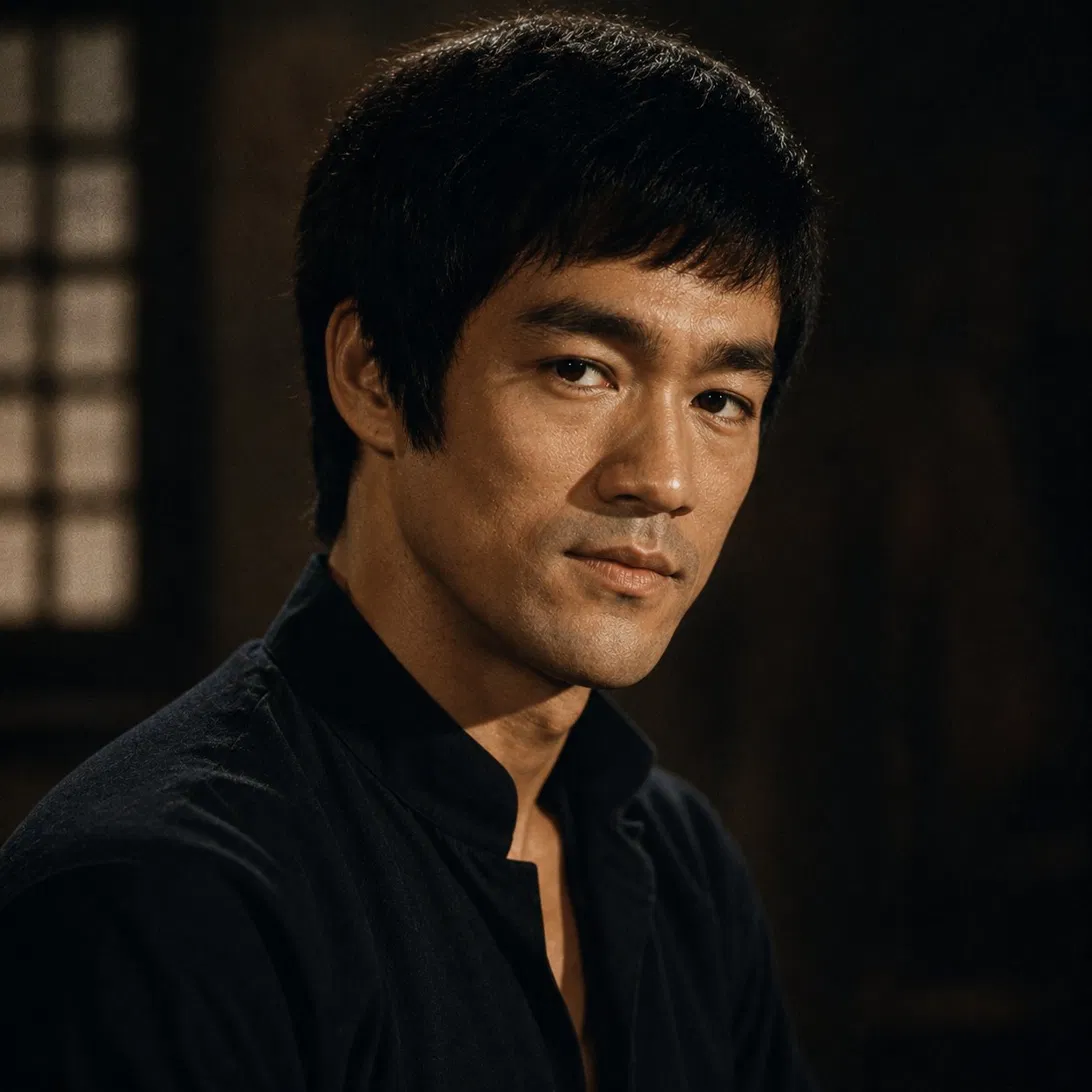
Bruce Lee

Bruce Lee · Los Angeles, 1973

"

Empty your mind. Be formless, shapeless — like water. Now you put water in a cup, it becomes the cup. You put water into a bottle, it becomes the bottle. You put it in a teapot, it becomes the teapot. Now water can flow or it can crash. Be water, my friend.

— Bruce Lee

What to Ask

To jog your imagination, here are 6 conversation starters. But you are encouraged to ask absolutely anything — about mastery, identity, philosophy, your own obstacles. Your time with Bruce Lee is your own.

01

"What does 'be like water' actually mean?"

He said it once on television and it became the most repeated piece of advice in the world. Ask him to unpack it fully. He will take you somewhere you did not expect.

02

"How do you master something you've never done before?"

Jeet Kune Do was not inherited — he built it from observation, experimentation, and rejection of everything that didn't work. Ask him how he started from nothing.

03

"What was it like to be Asian in Hollywood?"

They gave the Kung Fu TV role to a white man. He was told his accent was too strong, his eyes too narrow. He went to Hong Kong and made four films that changed cinema. Ask him what that felt like.

04

"What is the relationship between fear and mastery?"

He trained obsessively. He broke down every movement, every assumption. He had a theory about what fear actually is — and what it protects you from seeing. Ask him.

05

"What would you make of MMA and modern martial arts?"

Jeet Kune Do rejected style for style's sake. He believed in taking what works from anywhere. Ask him whether the sport he helped create has stayed true to that principle.

06

"What is the one thing most people misunderstand about you?"

Most people know the kicks and the speed. Fewer know the notebooks, the philosophy library, the letters. Ask him what he most wishes people understood.

Born

November 27, 1940
Hong Kong

Died

July 20, 1973
Kowloon, Hong Kong

Discipline

Jeet Kune Do · Wing Chun · Boxing · Philosophy

Known For

Enter the Dragon · The Way of the Dragon · Tao of Jeet Kune Do

Cause of Death

Cerebral edema, age 32

Bruce Lee was born in San Francisco and raised in Hong Kong, the son of a Cantonese opera singer. He learned Wing Chun from Ip Man, became a cha-cha dance champion, and was sent back to America at eighteen after too many street fights caught the attention of the wrong people. He arrived in Seattle with $100 and no plan beyond teaching what he knew.

In 1964, at a martial arts tournament in Long Beach, he gave a demonstration that stopped the room — a one-inch punch that sent a man stumbling backward, two-finger push-ups, a speed that cameras had trouble tracking. He was 23. That same year, a Wing Chun master named Wong Jack Man challenged him to a fight. The bout lasted three minutes. Lee won, but the experience changed him — he decided traditional styles were too rigid, too formal, too slow. He began dismantling everything he knew.

Jeet Kune Do — the Way of the Intercepting Fist — was not a style. It was an anti-style. Take what is useful. Reject what is useless. Add what is specifically your own. He filled notebooks with observations, diagrams, philosophical arguments. He read Krishnamurti, Alan Watts, Descartes. The physical and the philosophical were never separate to him.

Hollywood wanted him as a sidekick. He wanted to be a lead. When they gave the Kung Fu TV role to David Carradine, he went to Hong Kong. The Big Boss, Fist of Fury, The Way of the Dragon — three films in two years, each a sensation. Enter the Dragon was in post-production when he died on July 20, 1973, of a cerebral edema. He was thirty-two. The film made $200 million.
The philosopher who moved
faster than thought.
Still moving.

No script. No recordings. A live AI voice trained on Bruce Lee's interviews, notebooks, and philosophy — speaking only to you, only now.

Start Your Free Call →

🐾 every paid call triggers at minimum a meal donation for a rescue dog

Other Icons

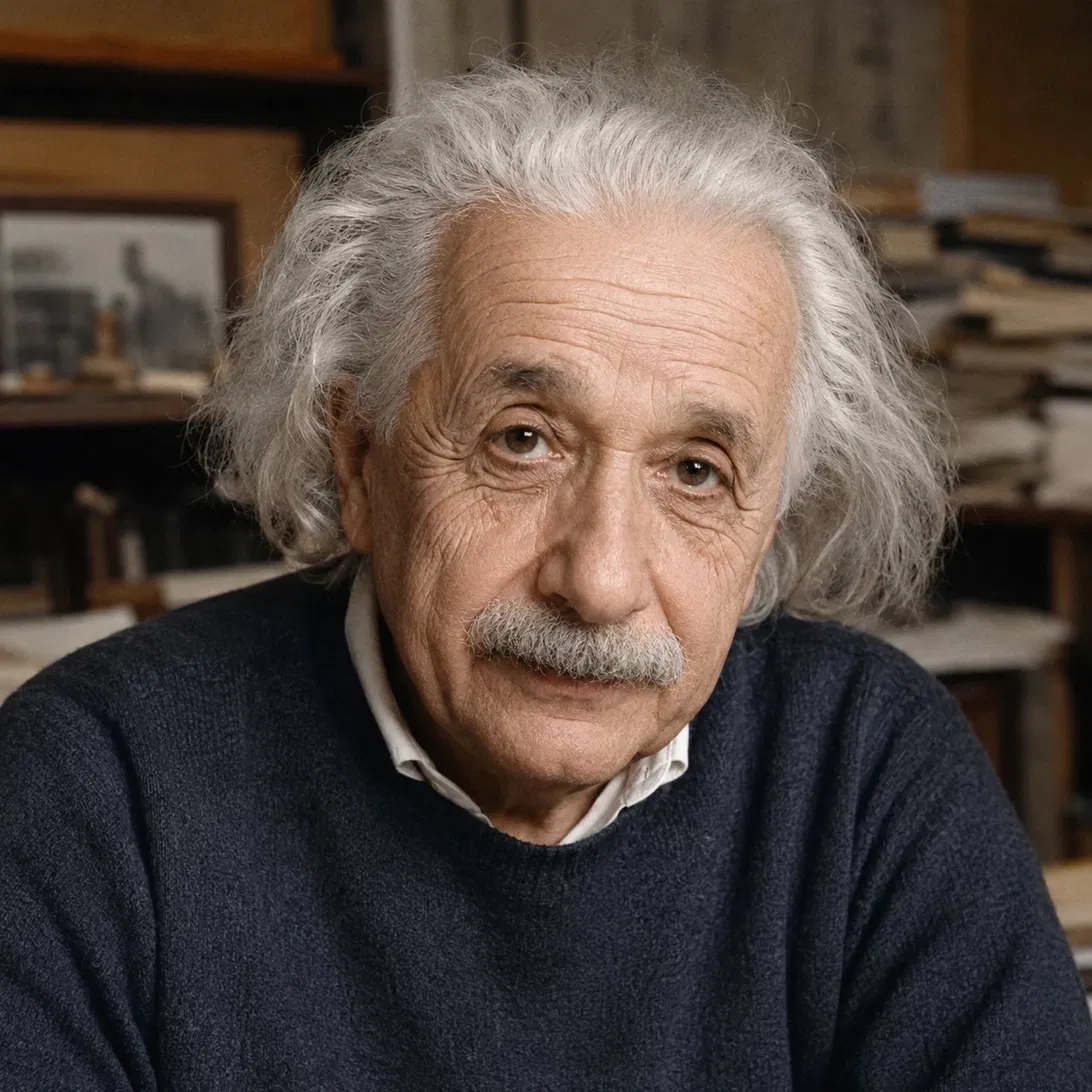
Albert Einstein

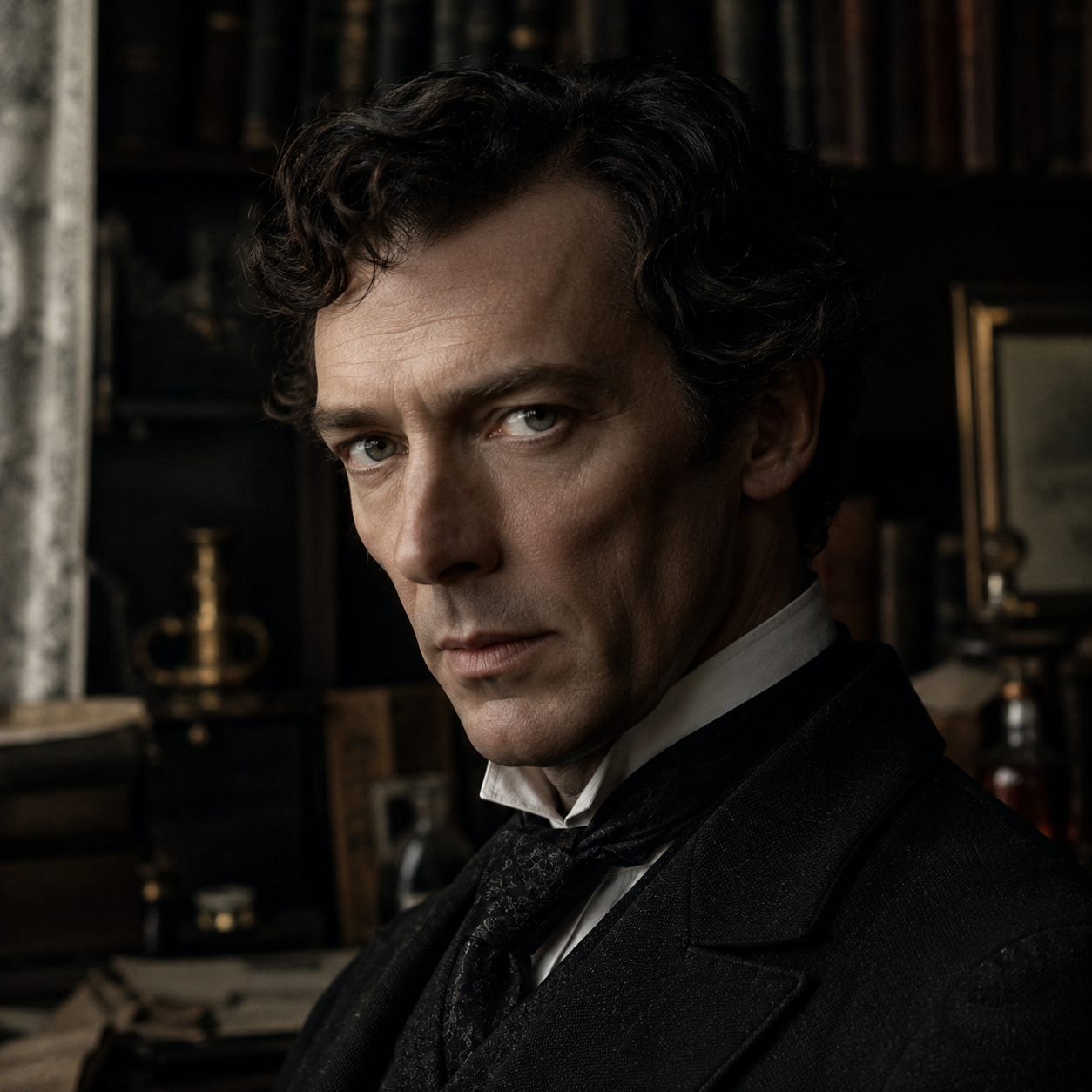
Einstein

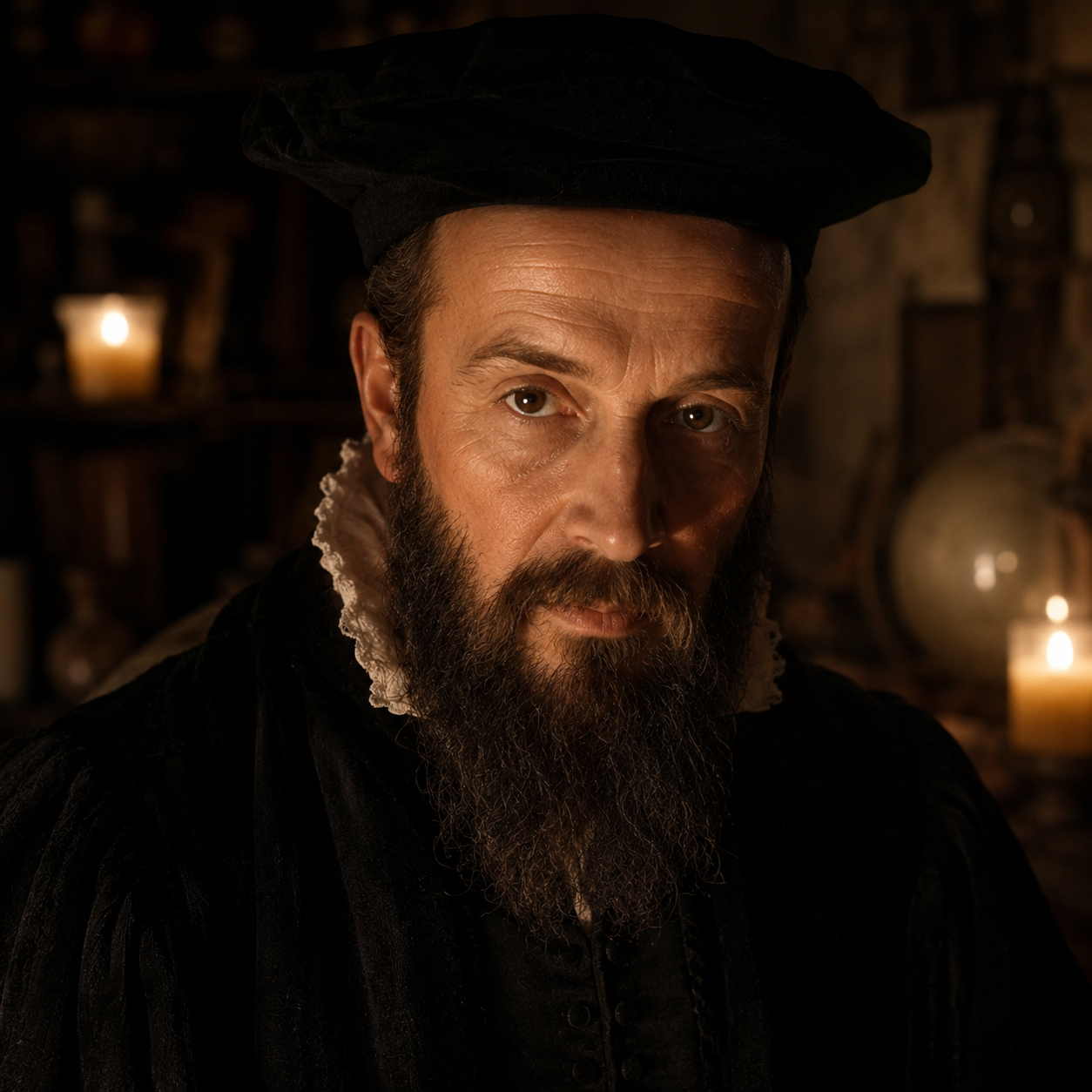
Nostradamus

Nostradamus

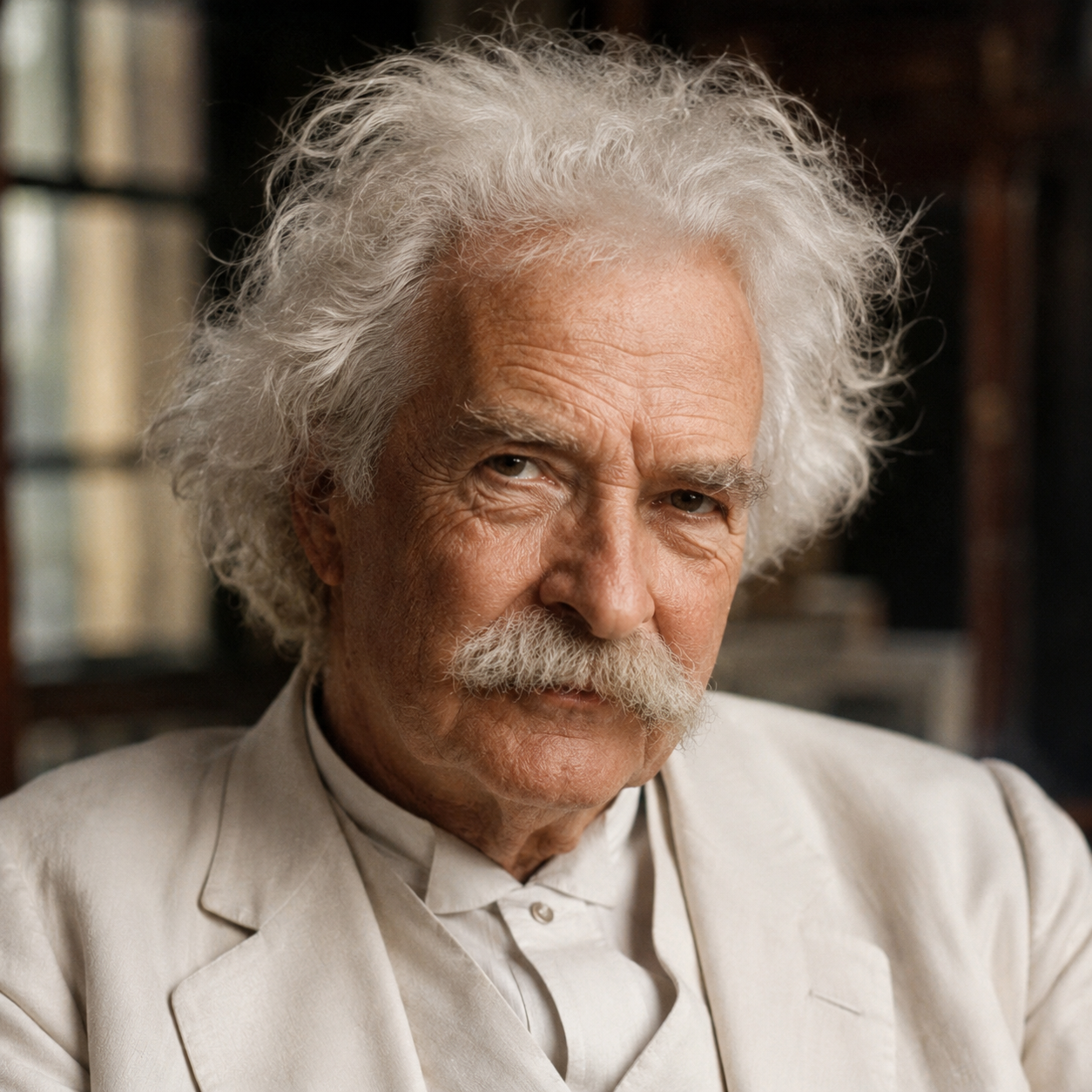
Mark Twain

Twain

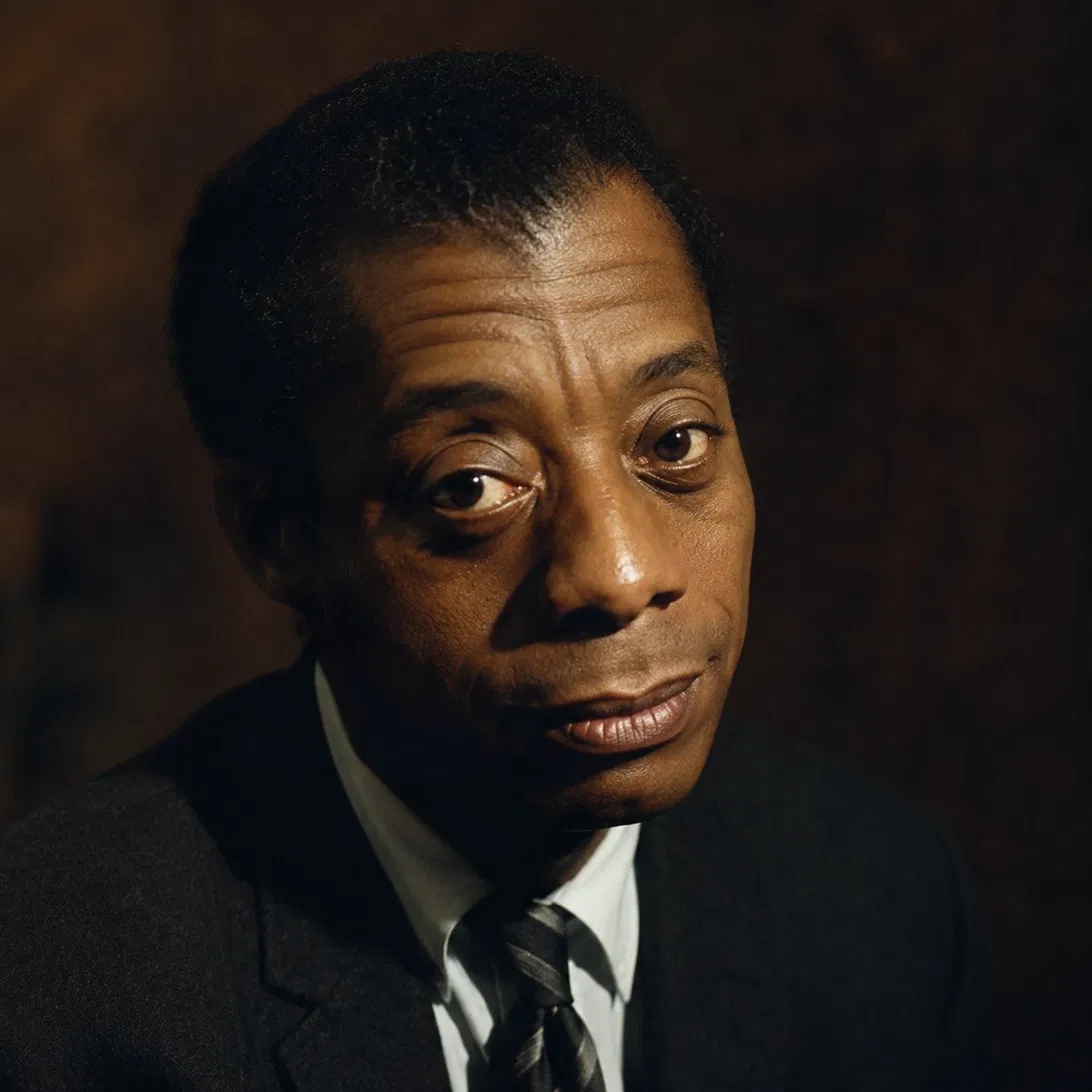
James Baldwin

Baldwin

Sherlock Holmes

Holmes

Aela

Aela

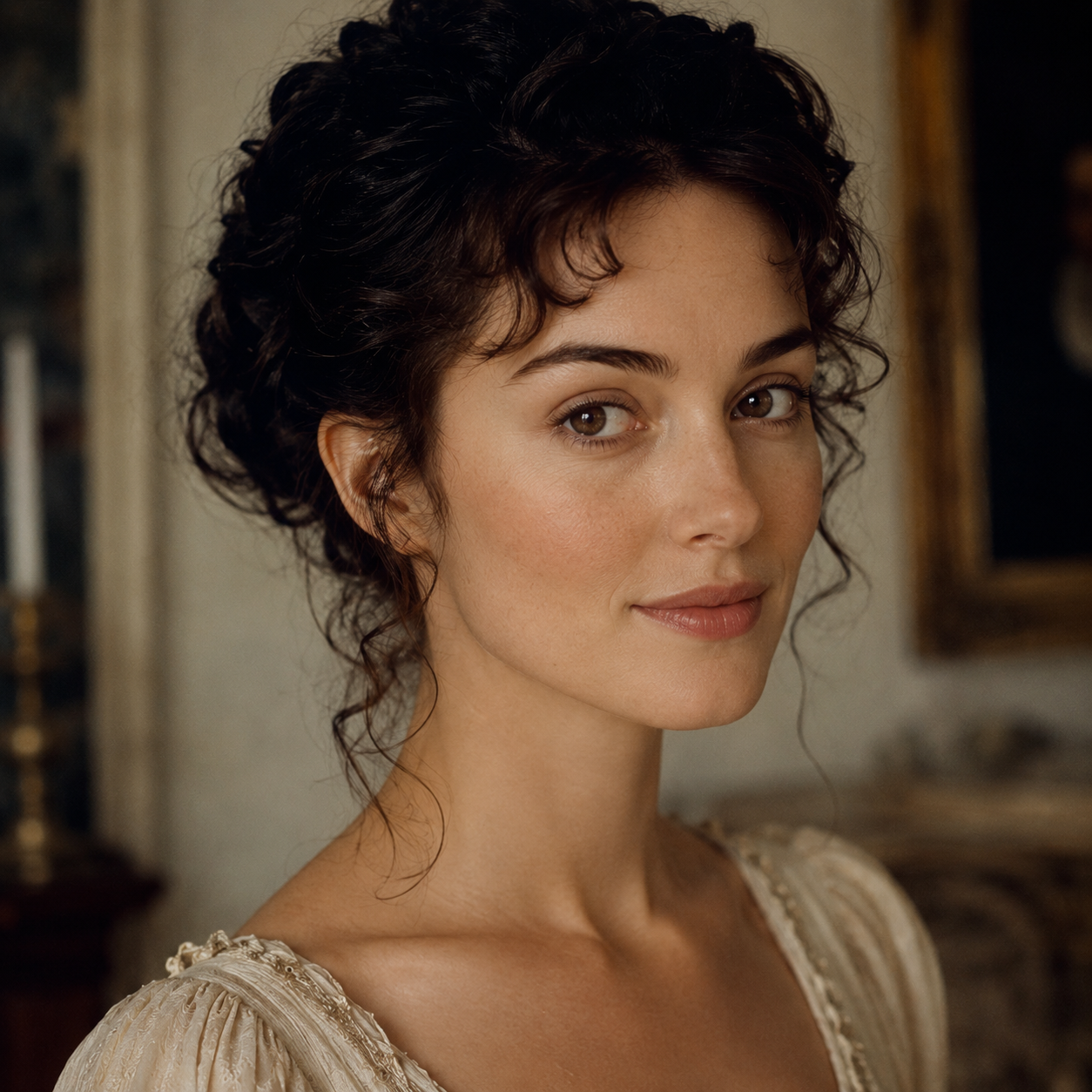
Elizabeth Bennet

Bennet