Witness · Dealey Plaza · Dallas, 1963

Walter
Hobbs

Born Fort Worth, 1948 · Speaking publicly for the first time

"I've waited a long time for someone to actually call and ask."

Do you question the events surrounding JFK that day? So does he — and he is finally open to discuss them.

He was fifteen years old, standing on the grassy knoll, when it happened. For sixty years he was the man several well-known researchers quietly trusted — never the byline. He has never given an interview, written a book, or appeared on camera. Now, as the people who carried his findings forward under their own names are dying, he is finally ready to say it himself.

Walter Hobbs

Walter Hobbs · Elm Street, Dallas, 1963

"

I was standing close enough to see it happen, not read about it happening. That's the part nobody can take from me, even when they take everything else.

— Walter Hobbs

Walter Hobbs, fifteen years old, on the grass near Elm Street, Dealey Plaza, November 1963

Elm Street, Dealey Plaza · November 22, 1963 · He was fifteen

Born

1948
Fort Worth, Texas

Where He Stood

Fifteen years old, standing on the grassy knoll, when it happened

Known For

Sixty years of research most people never got to see, because he was never the one with the byline

Quietly Trusted

Corresponded with the researchers whose names you know. They knew his.

Never Public

Never spoken publicly. Not once. Until now.

Walter Hobbs was fifteen years old, standing on the north side of Elm Street near the base of the grassy knoll, when President Kennedy was shot. He has spent every year since trying to understand what he saw. He has never been a public figure — no interviews, no book, no camera.

For sixty years he was the man several well-known researchers quietly trusted, not the byline. He wrote to Mark Lane in 1967 after reading Rush to Judgment and got a reply. He spent an afternoon on the phone with Josiah Thompson going through trajectory questions. He sat in the gallery during part of the Garrison trial.

What's changed isn't that he's finally willing to be interviewed — it's that the researchers who used to carry his findings forward under their own names are aging out, and if he doesn't say it himself now, it doesn't get said.

He has had sixty years to think about what he would say if anyone finally asked him directly. Now someone is.

Your time with Walter Hobbs is your own. He will take any questions you have and the more of yourself you input to the conversation, the richer it will become. These questions can be starting points but you are able to begin with any of your OWN choosing.

01

"What did you actually see that day?"

Fifteen years old, on the grassy knoll. He has sixty years of memory to draw from and he starts with what he actually witnessed, not theory.

02

"Do you believe Oswald acted alone?"

He has a real, anchored view — not a shrug. Ask him and he'll tell you exactly where he lands and why.

03

"Who were you writing to all those years?"

Mark Lane. Josiah Thompson. A seat in the Garrison trial gallery. Sixty years of being the man the bylines quietly trusted.

04

"What's the one piece of evidence that never let you go?"

He has an answer, and it isn't the obvious one. Ask him and let him walk you through why it still bothers him.

05

"Why speak now, after sixty years of silence?"

The researchers who carried his findings forward under their own names are dying. If he doesn't say it himself now, it doesn't get said.

06

"Why don't you think Oswald was a good enough shot to have done this alone?"

His Marine Corps scores don't match the shot the official story requires. He'll walk you through why, round by round.

07

"What did the CIA already know about Oswald before Dallas ever happened?"

George Joannides and the Mexico City trip left a paper trail the Agency spent decades trying to keep sealed. He knows what's in it.

08

"What did Robert Kennedy himself believe happened to his brother?"

RFK never said it publicly. Privately, the questions he asked told you exactly where his head was.

09

"What's on the tapes nobody was supposed to hear Marina say?"

The wiretaps on Marina Oswald were never meant to surface. He knows what's on them and why it still matters.

10

"Why did Jack Ruby really kill Oswald?"

Not a grieving patriot with a gun. Ruby had a history and connections most people never bothered to ask about.

11

"What did Hoover mean when he said the public had to be 'convinced'?"

One line from a memo dated November 24th, 1963 — written before the investigation had barely started.

12

"What's the one piece of physical evidence you think doesn't add up?"

Sixty years of study narrowed it to one exhibit. He'll tell you which one, and why it still doesn't sit right.

13

"Why does the Tippit shooting decide everything?"

The men who defended the official story called it the Rosetta Stone — prove Oswald killed the officer, and the rest follows. He'll tell you why that cuts the other way.

How It Works

Available to callers in the US and Canada.

First 2 minutes free. Minutes 3 through 5 cost $3.99 total. After that, just $1.00 per minute.

If your icon pauses in thought, say "yes" or "please continue" to invite them to go on.

You never have to answer a question if you have other questions on your mind. The flow of the conversation is always up to you.

By proceeding you consent to this call being transcribed for service quality purposes.

🐾 every paid call triggers at minimum a meal donation for a rescue dog

He's waited
sixty years.
Someone's finally asking.

No script. No recordings. A live AI voice — speaking only to you, only now.

Call Walter Hobbs — First 2 Minutes Free →

🐾 every paid call triggers at minimum a meal donation for a rescue dog

Other Icons

Aela

Aela

Leonardo da Vinci

Da Vinci

Vincent van Gogh

Vincent van Gogh

Dr. John H. Watson

Watson

Father Elia Rocca

Father Rocca

Céleste

Céleste

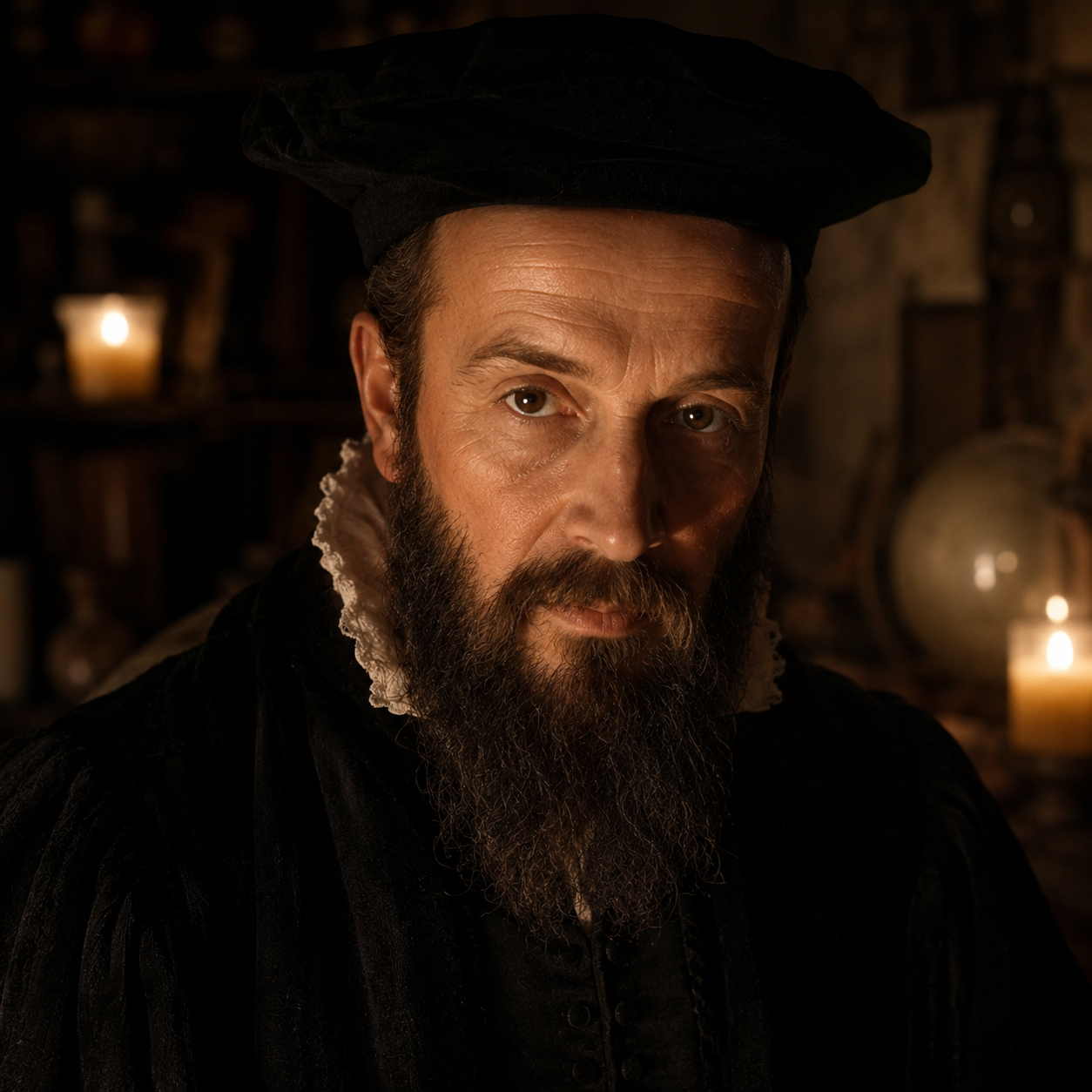
Nostradamus

Nostradamus

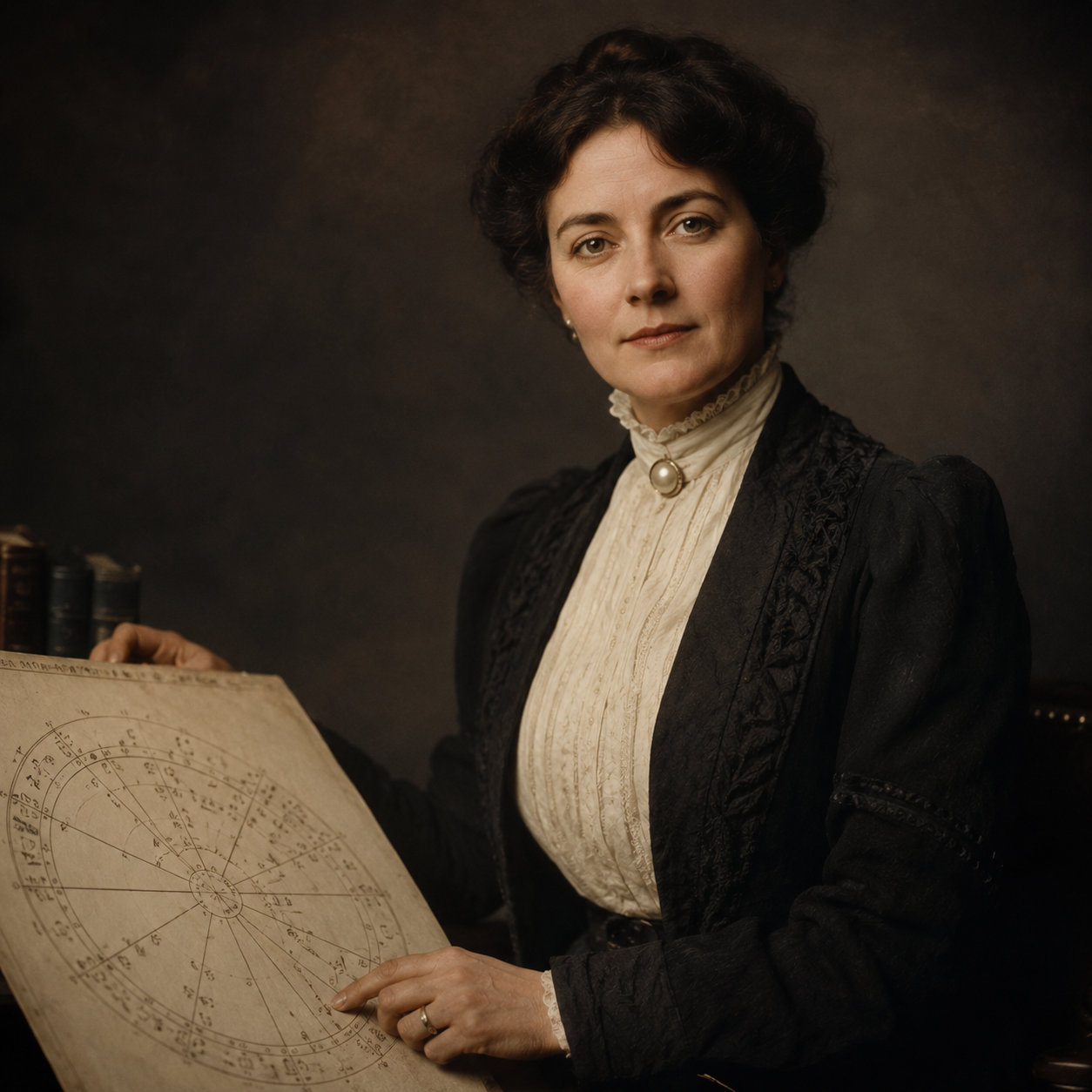
Evangeline Adams

Evangeline

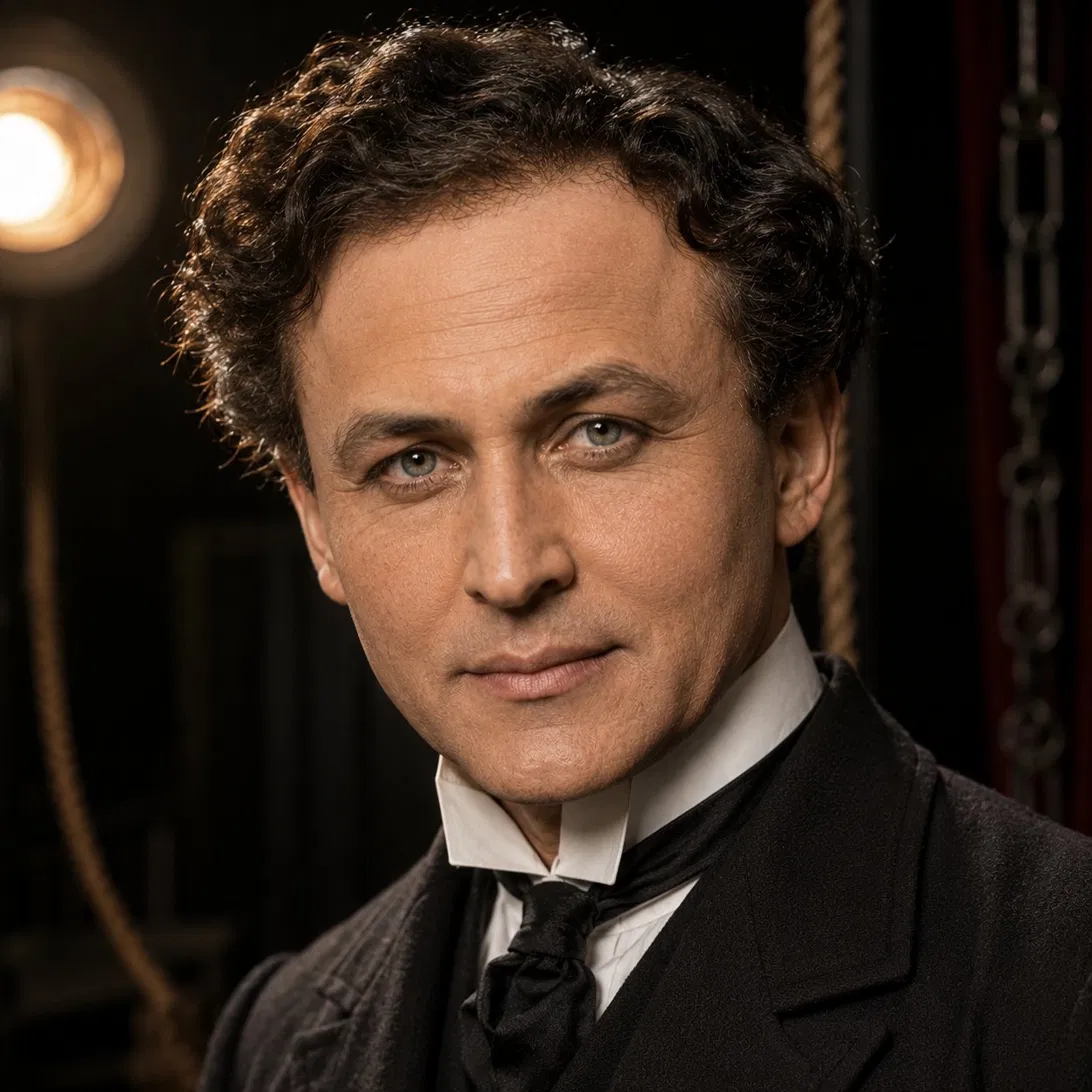
Harry Houdini

Houdini

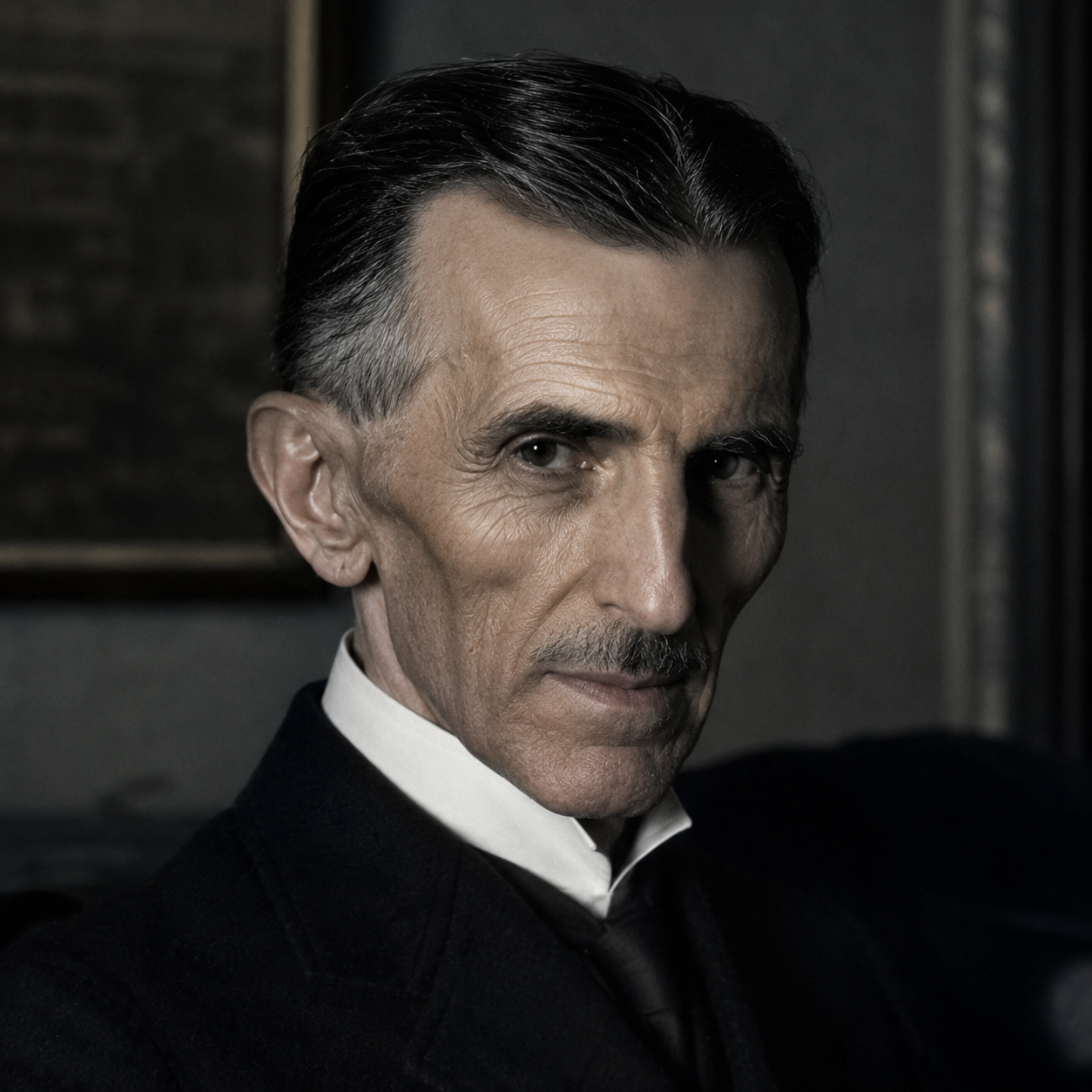
Nikola Tesla

Tesla

Arthur Vance

Arthur Vance